

Does Lordosis Cause Pain?
Lordosis, often referred to as "swayback," is a condition where there is an excessive inward curvature of the lower spine. This curvature is a natural feature of the spine, but when it becomes exaggerated, it can lead to discomfort and a range of other symptoms. Whether or not lordosis causes pain depends on several factors, including the severity of the curvature, the underlying causes, and how the body adapts to this spinal change.
Understanding Lordosis
The spine naturally has gentle curves that help with balance, shock absorption, and flexibility. These curves include the cervical curve in the neck, the thoracic curve in the upper back, and the lumbar curve in the lower back. Lordosis refers specifically to the exaggerated curvature of the lumbar spine. This condition can be caused by various factors, including poor posture, obesity, muscle imbalances, congenital spine abnormalities, and certain medical conditions such as spondylolisthesis or osteoporosis.
Pain and Discomfort
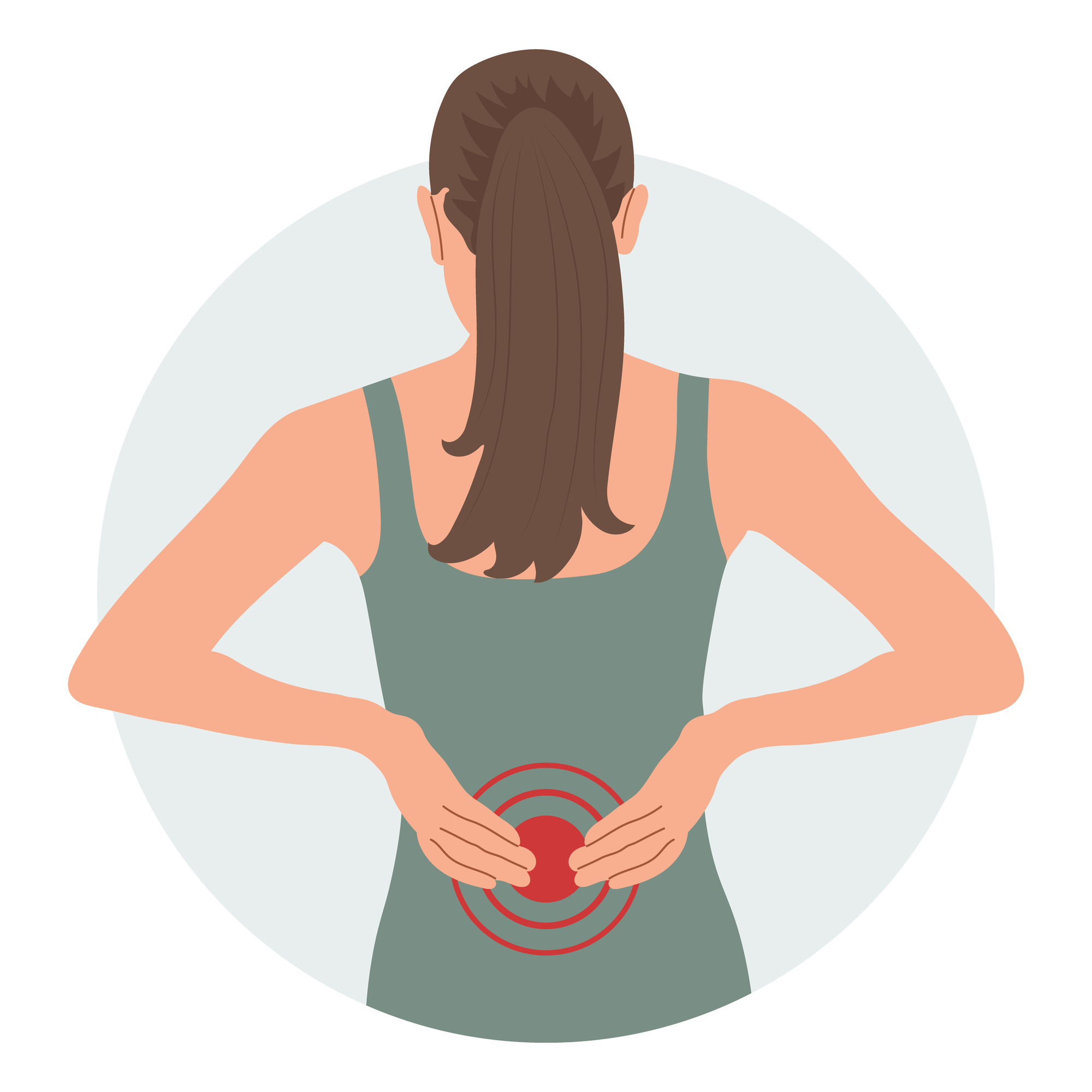
In many cases, mild lordosis does not cause significant pain or discomfort. However, when the curvature is pronounced, it can lead to a range of symptoms. The excessive curve can put additional pressure on the vertebrae, discs, and muscles of the lower back, leading to pain. This pain is often described as a deep ache in the lower back, which may worsen with prolonged standing, walking, or sitting. The discomfort may also radiate to the hips or legs, particularly if the curvature compresses spinal nerves.
Muscle tension and strain are common in individuals with lordosis. The muscles in the lower back may become overworked as they attempt to support the exaggerated curve, leading to muscle spasms and tightness. Additionally, the abdominal muscles can become weak or overstretched, contributing to an imbalance that further exacerbates the condition and discomfort.
Impact on Mobility and Posture
Severe lordosis can affect mobility and posture, making it difficult to maintain proper alignment during daily activities. Individuals with pronounced lordosis may experience difficulty in bending forward, lifting objects, or standing up straight. The abnormal curvature can lead to a noticeable sway in the back, which may cause the pelvis to tilt forward. This altered posture can lead to further strain on the back and legs, increasing the risk of injury and chronic pain.
In some cases, lordosis can also lead to more significant health issues. If the curvature becomes severe enough to compress the spinal cord or nerves, it can result in neurological symptoms such as numbness, tingling, or weakness in the legs. This scenario requires immediate medical attention and possibly surgical intervention to prevent permanent damage.
Managing and Treating Lordosis
The good news is that lordosis-related pain and discomfort can often be managed with appropriate treatment and lifestyle adjustments. Physical therapy is one of the most effective ways to address lordosis. A physical therapist can design a program of exercises that strengthen the core and back muscles, improve flexibility, and correct postural imbalances. These exercises can help reduce the curvature, alleviate pain, and prevent further progression of the condition.
In addition to physical therapy, maintaining a healthy weight is crucial for individuals with lordosis. Excess weight can place additional strain on the spine and exacerbate the curvature. Weight management, combined with regular exercise and a healthy diet, can help relieve pressure on the spine and reduce pain.
For those with more severe lordosis or persistent pain, additional treatments may be necessary. Pain management options such as nonsteroidal anti-inflammatory drugs (NSAIDs), muscle relaxants, or corticosteroid injections can provide temporary relief from pain and inflammation. In rare cases where conservative treatments are ineffective, surgical intervention may be considered to correct the curvature and stabilize the spine.
Lordosis can indeed cause pain, particularly when the curvature of the spine is pronounced. The condition can lead to discomfort in the lower back, muscle tension, and difficulties with posture and mobility. However, with proper treatment and lifestyle adjustments, many individuals with lordosis can manage their symptoms effectively and improve their quality of life. If you are experiencing pain or discomfort due to lordosis, consulting with a healthcare provider is the first step toward finding relief and addressing the condition.
