

How to Treat Scheuermann’s Disease Pain?
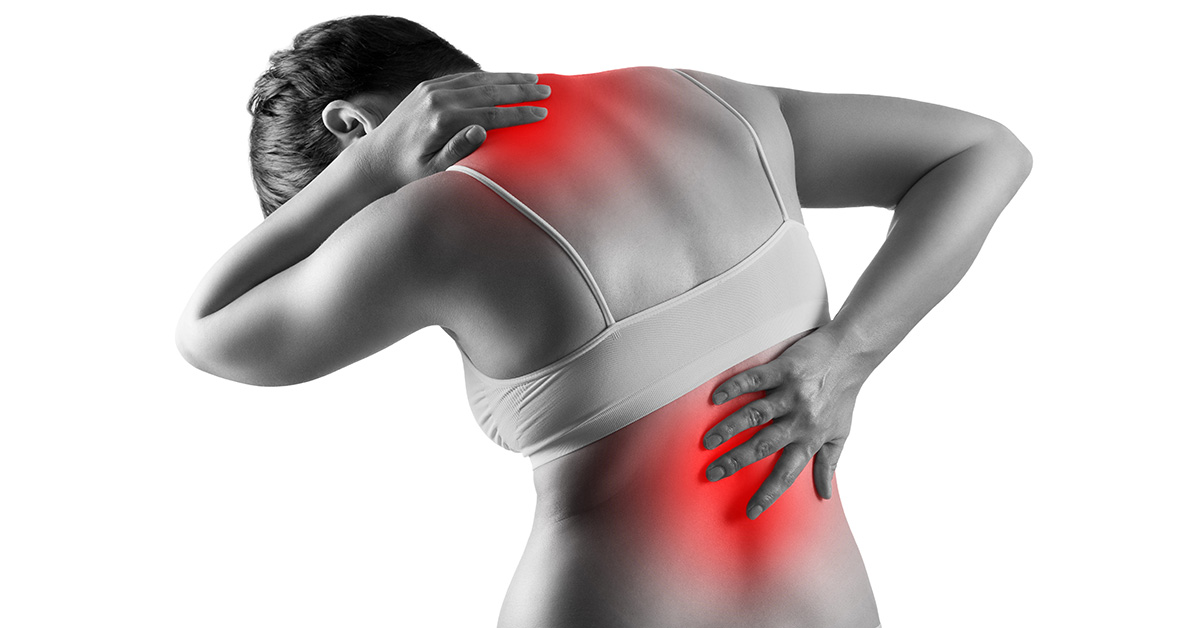
Scheuermann’s disease, also known as Scheuermann’s kyphosis, is a spinal condition that primarily affects adolescents and causes an exaggerated forward curvature of the upper back. This curvature can lead to discomfort and pain, particularly in the thoracic (upper) spine, though it can sometimes affect the lower back as well. Managing and treating the pain associated with Scheuermann’s disease is important to maintain a good quality of life and prevent the condition from worsening. Here are several approaches to treating the pain caused by Scheuermann’s disease.
1. Physical Therapy
One of the most effective non-invasive treatments for Scheuermann’s disease is physical therapy. A physical therapist can design a program of exercises that focus on strengthening the back muscles, improving posture, and increasing flexibility. These exercises help support the spine and reduce the pressure on the affected vertebrae, which can alleviate pain. Core-strengthening exercises are also essential, as a strong core helps support the entire spine, reducing the strain on the back muscles.
2. Stretching Exercises
Stretching exercises are beneficial for reducing stiffness and improving mobility in people with Scheuermann’s disease. Regularly stretching the hamstrings, hip flexors, and chest muscles can help relieve tension in the muscles surrounding the spine. Gentle stretches like the cat-cow pose, lying spinal twists, or child’s pose can also help alleviate discomfort.
3. Bracing
For adolescents who are still growing, wearing a back brace can help prevent the progression of the spinal curvature. Bracing is most effective when the curvature is still flexible and can be corrected by external support. While bracing doesn’t always directly reduce pain, it can prevent the curvature from worsening, which helps avoid further discomfort in the long term.
4. Pain Relief Medications
Over-the-counter pain relievers, such as ibuprofen or acetaminophen, can be helpful for managing mild to moderate pain caused by Scheuermann’s disease. These medications reduce inflammation and alleviate discomfort, making it easier to carry out daily activities. However, pain medications should be used under the guidance of a healthcare professional to ensure safe and appropriate usage.
5. Posture Improvement
Poor posture can worsen the pain associated with Scheuermann’s disease. Improving posture through posture correction techniques, exercises, and awareness can help reduce the strain on the spine and minimize discomfort. Sitting or standing with proper spinal alignment, avoiding slouching, and using ergonomic furniture can contribute to less pain and better spine health.
6. Hot and Cold Therapy
Applying heat or cold to the affected area can provide temporary relief from pain. Heat therapy, such as using a heating pad or warm towel, can help relax tense muscles and improve blood flow, reducing pain and stiffness. Cold therapy, using ice packs, can help reduce inflammation and numb the area to alleviate pain after physical activity.
7. Surgical Options
In severe cases of Scheuermann’s disease where the curvature is extreme or when conservative treatments don’t provide relief, surgery may be considered. Spinal fusion surgery is the most common procedure for correcting the curvature and relieving pain. This option is typically reserved for individuals whose condition significantly impacts their quality of life and function.
Treating the pain from Scheuermann’s disease involves a combination of physical therapy, posture correction, pain relief medications, and sometimes bracing or surgery. By strengthening the muscles that support the spine, improving flexibility, and using proper posture, many people with Scheuermann’s disease can manage their pain effectively and prevent the condition from worsening. If the pain is persistent or severe, consulting with a healthcare provider is crucial to determine the most appropriate treatment plan.
