

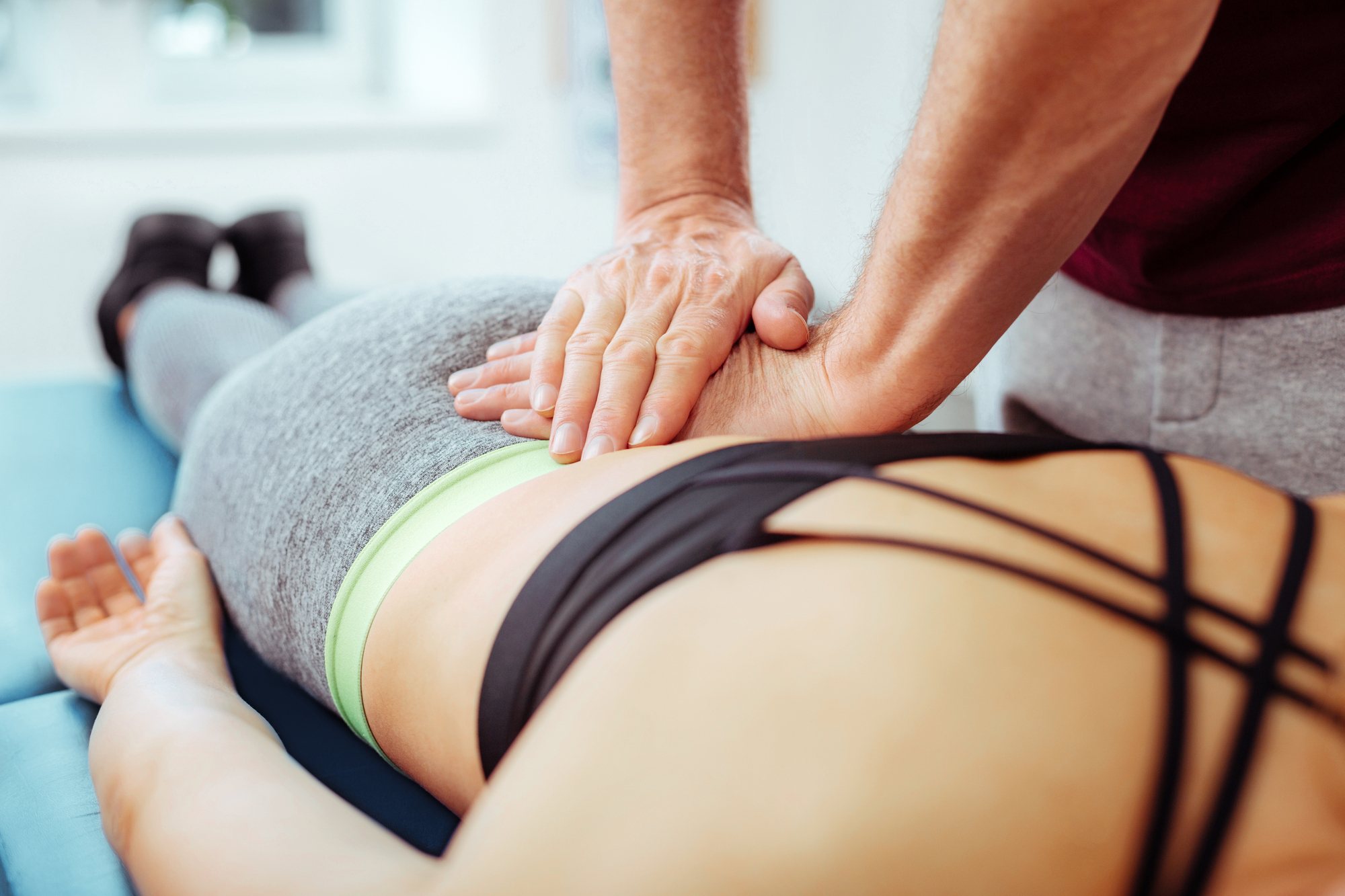
Is A Massage Good for Kyphosis?
Kyphosis, characterized by an excessive outward curvature of the spine, often leads to discomfort and pain, particularly in the upper back and shoulders. As individuals seek relief from the symptoms of kyphosis, many wonder if massage therapy can be beneficial. Massage, a widely used therapeutic technique, has been shown to provide several benefits for those dealing with this condition.
Benefits of Massage for Kyphosis
Massage therapy can be particularly beneficial for individuals with kyphosis by addressing muscle tension and pain, two common symptoms of the condition. The excessive curvature of the spine in kyphosis often leads to tightness in the muscles of the upper back, shoulders, and neck. Massage helps to relax these muscles, reducing tension and promoting better blood flow to the affected areas. This increased circulation can help alleviate pain and discomfort while also improving flexibility and range of motion.
In addition to relieving muscle tension, massage can aid in correcting postural imbalances associated with kyphosis. By focusing on specific muscle groups, such as the pectoral muscles and the muscles along the spine, massage can help lengthen and relax shortened muscles. This can contribute to better posture, reducing the strain on the spine and helping to mitigate the progression of kyphosis.
Types of Massage for Kyphosis
- Deep Tissue Massage: One of the most commonly recommended techniques for this condition, deep tissue massage involves applying firm pressure to reach deeper layers of muscle and connective tissue. It targets tight, overworked muscles, helping to break down adhesions, improve mobility, and reduce pain.
- Myofascial Release: This technique focuses on releasing tension in the fascia, the connective tissue that surrounds muscles and organs. Gentle, sustained pressure is applied to alleviate restrictions in the fascia, which may contribute to poor posture and spinal curvature.
- Swedish Massage: A gentler form of massage, Swedish massage uses long, gliding strokes to promote relaxation and circulation. It’s ideal for individuals who may not tolerate deep tissue work well and helps reduce muscle tension in a soothing manner.
Limitations of Massage for Kyphosis
While massage therapy can offer significant benefits for managing kyphosis symptoms, it is important to understand its limitations. Massage is not a cure for kyphosis, and it cannot correct the structural curvature of the spine. Instead, it should be viewed as a complementary treatment that helps manage pain, improve muscle function, and support overall well-being.
Individuals with severe kyphosis or those experiencing neurological symptoms, such as numbness or tingling, should consult with a healthcare provider before undergoing massage therapy. In some cases, additional treatments such as physical therapy, bracing, or even surgery may be necessary to address the underlying causes of kyphosis and prevent further progression.
Incorporating Massage into a Comprehensive Treatment Plan
For those with kyphosis, massage therapy can be a valuable part of a comprehensive treatment plan. When combined with other therapies, such as physical therapy, exercise, and posture correction, massage can help manage symptoms and improve quality of life. Regular sessions with a licensed massage therapist who is experienced in working with individuals with postural issues can provide ongoing relief and support long-term management of the condition.
Massage can be a beneficial tool for managing the symptoms of kyphosis, particularly in reducing muscle tension, alleviating pain, and supporting better posture. While it is not a cure for the condition, it can play a supportive role in a broader treatment plan. Individuals with kyphosis should consider incorporating massage therapy alongside other treatments and consult with their healthcare provider to ensure that their approach to managing the condition is comprehensive and effective.
