

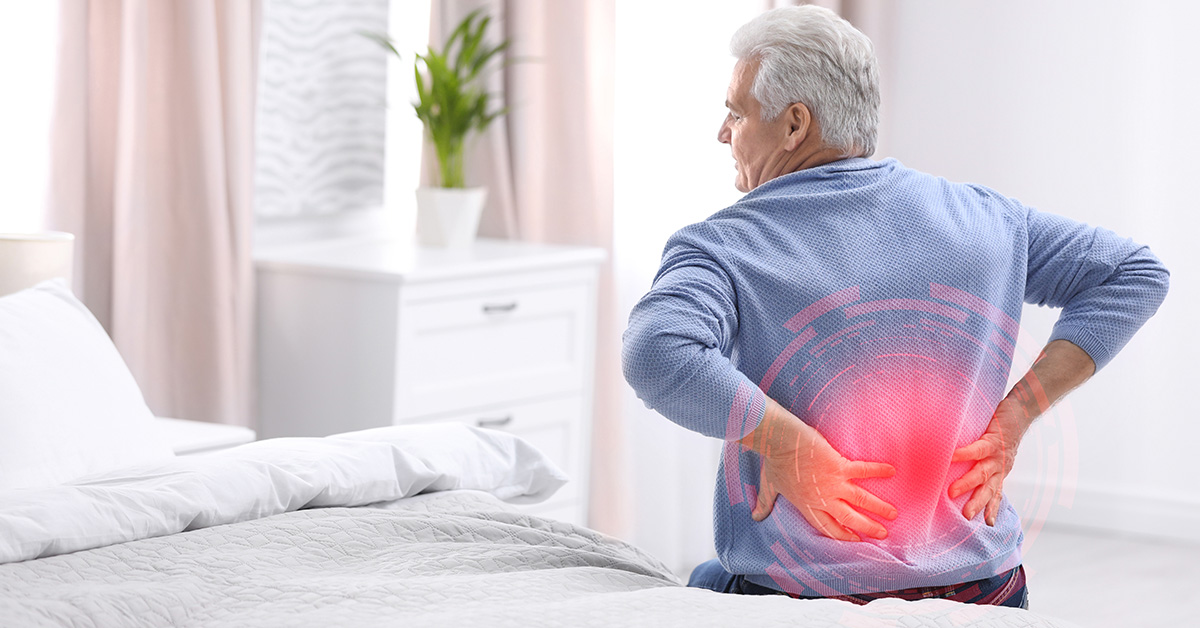
Spinal Osteoarthritis Pain
Spinal osteoarthritis, also known as degenerative arthritis of the spine, is a condition characterized by the breakdown of cartilage between the joints and discs in the neck and lower back. This degeneration can lead to chronic pain, stiffness, and a reduced range of motion, significantly impacting daily life. Understanding spinal osteoarthritis pain, its causes, symptoms, and treatment options is essential for managing this condition effectively.
Causes of Spinal Osteoarthritis
Spinal osteoarthritis occurs when the cartilage that cushions the joints in the spine begins to wear away. As this cartilage deteriorates, the bones in the spine can rub against each other, leading to pain, inflammation, and the formation of bone spurs (osteophytes). This condition is most commonly associated with aging, as the wear and tear on the spine accumulates over time. However, other factors such as:
- Obesity
- Previous spinal injuries
- Genetic predisposition
- Repetitive stress on the spine
can also contribute to the development of spinal osteoarthritis.
Symptoms of Spinal Osteoarthritis
The primary symptom of spinal osteoarthritis is pain, which is often localized in the neck (cervical spine) or lower back (lumbar spine). This pain can range from a dull ache to sharp, stabbing sensations, particularly during physical activity or after periods of inactivity. Other symptoms include:
- Stiffness, especially in the morning or after sitting for long periods
- Reduced range of motion in the affected area
- Numbness, tingling, or weakness in the arms or legs if nerve compression occurs
Diagnosis of Spinal Osteoarthritis
Diagnosing spinal osteoarthritis typically involves a physical examination and imaging tests such as X-rays or MRI scans. These tests help to identify the extent of cartilage loss, the presence of bone spurs, and any potential nerve compression. In some cases, additional tests such as blood work may be conducted to rule out other conditions that could be causing similar symptoms.
Treatment Options for Spinal Osteoarthritis Pain
Treatment for spinal osteoarthritis pain focuses on relieving symptoms, improving function, and slowing the progression of the disease. Options include:
- Physical Therapy: Helps strengthen the muscles supporting the spine, improve flexibility, and maintain range of motion.
- Medications: NSAIDs to reduce pain and swelling, and corticosteroid injections for temporary relief from severe pain and inflammation.
- Exercise: Low-impact activities like walking, swimming, and stretching are beneficial.
- Surgical Options: In severe cases, surgery may involve removing bone spurs, realigning the spine, or spinal fusion to stabilize the affected area.
Lifestyle Modifications
Managing spinal osteoarthritis pain also involves lifestyle modifications such as:
- Maintaining a healthy weight to reduce stress on the spine
- Practicing good posture and using ergonomic furniture
- Heat and cold therapy, massage, and acupuncture for pain management
Spinal osteoarthritis pain is a common condition that can significantly impact an individual's quality of life. However, with the right combination of treatments and lifestyle adjustments, many people with spinal osteoarthritis can manage their symptoms effectively and maintain an active lifestyle. If you suspect you have spinal osteoarthritis or are experiencing persistent back or neck pain, it is important to seek medical advice for proper diagnosis and treatment.
